7 Best Fitness Trackers and Wristbands in 2026: Including Whoop and Premium Alternatives
Best fitness trackers 2026: Whoop 5.0, Amazfit Helio Strap, Garmin & Fitbit compared for sleep, HRV, workout tracking, and real-world accuracy.

7 Best Fitness Trackers and Wristbands in 2026: Including Whoop and Premium Alternatives
Quick Answer
Best Whoop alternative: Amazfit Helio Strap. Tracks HRV, recovery, and strain without a monthly subscription fee. Fitbit Charge 6 for a screen with built-in GPS and Google ecosystem integration. WHOOP 5.0 is worth the subscription only if you're serious enough to act on the coaching data daily.
The fitness tracker market has split into two clear camps: subscription-based devices that charge monthly for their best features (Whoop, Oura), and one-time-purchase trackers that give you everything upfront. Both approaches have genuine merit depending on what you're tracking and how seriously you take recovery data. We tested seven devices for heart rate accuracy, sleep tracking reliability, battery life in real use, and app quality to help you pick the right one.
Quick answer
Skip the Whoop subscription: Amazfit Helio Strap tracks the same core metrics — HRV, recovery, strain — without monthly fees. Best with a screen: Fitbit Charge 6, built-in GPS and Google integration. If you'll actually use the coaching depth: WHOOP 5.0 is the better recovery platform for serious athletes. Budget picks: Samsung Galaxy Fit 3 for Android users, Fitbit Inspire 3 for everyone else. Prefer a ring over a band? See our smart rings guide.
Table of Contents
- Quick Comparison Table
- How We Test Fitness Trackers
- What to Look For
- Fitness Trackers vs Smartwatches: What's the Difference?
- Detailed Product Reviews
- Amazfit Helio Strap - Best Whoop Alternative
- Fitbit Charge 6 - Best Feature-Rich Alternative
- Garmin Vivoactive 5 - Best Premium All-in-One
- Samsung Galaxy Fit 3 - Best Budget Android Option
- Fitbit Inspire 3 - Best Budget Option Overall
- Oura Ring 4 - Best Alternative Form Factor
- WHOOP 5.0 - Premium with Subscription
- Detailed Comparison Table
- Quick Reference Guide
- Care Tips / How to Use
- Common Mistakes When Buying Fitness Trackers
- FAQ
- Final Verdict
Quick Comparison Table
| Name | Battery Life | Key Feature | Best For |
|---|---|---|---|
| Amazfit Helio Strap | 10 days | No subscription | Whoop replacements |
| Fitbit Charge 6 | 7 days | Google integration | Feature-rich users |
| Garmin Vivoactive 5 | 11 days | AMOLED display | Premium features |
| Samsung Galaxy Fit 3 | 13 days | Budget Android users | Value-focused users |
| Fitbit Inspire 3 | 10 days | Beginner-friendly | First-time users |
| Oura Ring 4 | 5-8 days | Jewelry design | Discreet wearers |
| WHOOP 5.0 | 14 days | Recovery insights | Premium users |
How We Test Fitness Trackers
We wore each device continuously for 30+ nights, comparing heart rate and HRV readings against reference devices and tracking how accuracy held up during sleep versus exercise. We also tested real-world battery life under normal notification and sync patterns, and spent time in each companion app evaluating how well the data is presented and how actionable the insights actually are.
- Accuracy Testing - Heart rate, HRV, and recovery metrics compared against reference devices over 30+ nights
- Battery Life Assessment - Real usage patterns including notifications, syncs, and continuous monitoring
- Comfort Evaluation - 14+ day wear testing during sleep, exercise, and daily activities
- App Experience - Data visualization, insights quality, and integration with major health platforms
- Feature Completeness - Tracking capabilities, customization, and smart features
What to Look For
- Recovery Tracking - HRV analysis, readiness scores, and training load metrics that reflect actual recovery status
- Battery Life - 7+ days of continuous use to avoid gaps in monitoring
- Sensor Accuracy - Validated heart rate and sleep sensors that hold up during different activities
- App Integration - Connectivity with major health platforms so your data is usable across devices
- Subscription Model - Decide upfront whether you want everything included or are willing to pay ongoing fees for better insights
If you're in Apple's ecosystem: The Apple Watch Series 10 is the natural choice for iPhone users who want deep Health app integration, crash detection, and ECG. It's not available through our affiliate links, but worth knowing before you commit to a dedicated tracker.
Fitness Trackers vs Smartwatches: What's the Difference?
Fitness trackers focus on health monitoring with longer battery life and more specialized recovery features. Smartwatches do more — notifications, apps, payments — but generally sacrifice battery life and some comfort for 24/7 wear. If you want accurate sleep data and recovery scoring, a dedicated tracker usually wins. If you want the watch to replace your phone for most things, a smartwatch makes more sense.
Detailed Product Reviews
- Amazfit Helio Strap - Best Whoop Alternative

The Amazfit Helio Strap is a deliberate Whoop clone — screenless design, HRV analysis, recovery scoring, and no subscription fee. The Zepp app handles the data presentation, and the 10-day battery life is competitive. If the main thing holding you back from Whoop is the monthly cost, this is the most direct substitute available. It won't have Whoop's training community or coaching depth, but the core physiological tracking is solid.
Pros:
- 10-day battery life for uninterrupted monitoring
- No subscription required — all features included at purchase
- HRV analysis and fatigue monitoring for recovery tracking
- 27 sports modes
- Advanced health metrics including heart rate, blood oxygen, and stress monitoring
- Works with iOS and Android via Zepp app
Cons:
- Screenless design means no quick data glances without your phone
- Full functionality requires a paired smartphone nearby
- App takes some exploration to get the most out of the recovery metrics
Amazfit Helio Strap Screenless Activity Tracker, 10-Day Battery,iOS/Android
Check price on Amazon →
👉 View product details
(#ad)
- Fitbit Charge 6 - Best Feature-Rich Alternative
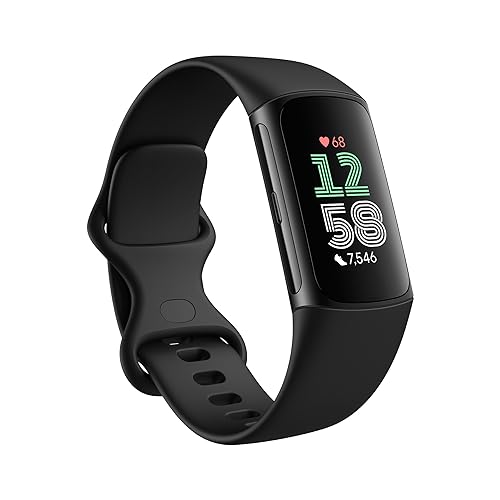
The Fitbit Charge 6 is the most feature-dense wrist tracker in this list. Built-in GPS means you don't need your phone for run tracking, Google Maps turn-by-turn works during outdoor workouts, and Google Wallet handles tap-to-pay. Sleep staging is detailed, and the Daily Readiness Score gives a straightforward morning read on whether to train hard or recover. The Google ecosystem integration is the main caveat — it works best if you're already on Android. iPhone users will find some features limited.
Pros:
- Built-in GPS for accurate outdoor workout tracking
- Google Maps integration for turn-by-turn navigation during runs
- Detailed sleep stage breakdown
- Stress Management and Daily Readiness scoring
- Google Wallet for contactless payments
- 7-day battery life with fast charging
Cons:
- Google ecosystem focus works best with Android — iPhone users get a limited experience
- More features than most beginners need
- Some advanced features take time to learn
Google Fitbit Charge 6 - Fitness Tracker - Obsidian/Black
Check price on Amazon →
👉 View product details
(#ad)
- Garmin Vivoactive 5 - Best Premium All-in-One

The Garmin Vivoactive 5 sits in the gap between tracker and full GPS watch — closer to a watch, but without the serious trail navigation features of the Fenix line. If you actually run trails and need offline maps and multi-day battery, see our GPS watches for trail running guide instead. The AMOLED display is sharp, the 11-day battery life is real, and Body Battery energy monitoring is one of Garmin's more useful daily-use features. Training Load and Training Status help athletes understand whether their current volume is building fitness or digging a hole. Music storage without a phone is a practical bonus for gym sessions.
Pros:
- AMOLED display with always-on capability
- 11-day battery life in smartwatch mode
- Body Battery energy monitoring is genuinely useful
- Built-in GPS with multi-satellite support
- Training Load and Training Status for performance tracking
- Music storage for phone-free workouts
Cons:
- Premium price for the feature set
- Learning curve for the full range of training metrics
- AMOLED display drains battery faster than screenless alternatives
Note: The Garmin Vivoactive 6 launched in 2026 with improved training metrics and a new multi-band GPS option. If you're considering this category and budget allows, check availability — the Vivoactive 5 remains the current affiliate option listed here.
Garmin vívoactive® 5, Health & Fitness GPS Smartwatch, 42mm, Black
Check price on Amazon →
👉 View product details
(#ad)
- Samsung Galaxy Fit 3 - Best Budget Android Option

The Samsung Galaxy Fit 3 punches above its price. The AMOLED display is bright and responsive, the 13-day battery life is the longest of any budget tracker we tested, and 100+ workout modes covers anything most people train. Sleep coaching and SpO2 tracking round out a feature set that costs noticeably less than the Fitbit alternatives. The trade-off: no built-in GPS means you need your phone for outdoor route tracking, and the experience is noticeably better if you're using a Samsung Galaxy phone.
Pros:
- AMOLED display with smooth touch navigation
- 13-day battery life — longest among budget trackers here
- 100+ workout modes with automatic detection
- SpO2 and sleep coaching included
- Water-resistant for swimming
- Samsung Health app works well on Android
Cons:
- No built-in GPS — needs phone for outdoor tracking
- Best experience on Samsung Galaxy devices specifically
- Less depth in training metrics than premium options
SAMSUNG Galaxy FIT 3 [2024] 1.6" AMOLED Display | 14 Days Battery Life | 100+ Watchfaces | 100+ Exercise Modes | International Model - (Gray)
Check price on Amazon →
👉 View product details
(#ad)
- Fitbit Inspire 3 - Best Budget Option Overall

The Fitbit Inspire 3 is the right choice for someone who wants basic health tracking without dealing with a complicated app or an overwhelming feature list. The interface is clear, the 10-day battery is honest, and Daily Readiness Score plus stress tracking give enough insight for most users. The free premium trial included at purchase lets you test the more advanced analytics before deciding whether to pay for them. No GPS built-in, which is the main functional limitation.
Pros:
- Simple interface genuinely suited for new trackers
- 10-day battery life
- Daily Readiness Score and Stress Management tracking
- Automatic sleep tracking with detailed sleep profile
- Free trial of premium features included
- Works with iOS and Android
Cons:
- Basic display compared to the Samsung or Garmin options
- Limited training metrics for active athletes
- No built-in GPS
Google Fitbit Inspire 3 - Midnight Zen/Black - Small and Large Bands
Check price on Amazon →
👉 View product details
(#ad)
- Oura Ring 4 - Best Alternative Form Factor

The Oura Ring 4 is genuinely different from everything else here — it goes on your finger, looks like a plain titanium band, and you forget you're wearing it. Sleep data and recovery insights are strong, and the ring form factor is legitimately more comfortable for 24/7 wear than any wristband. The honest downside: it requires a monthly subscription for the full analytics, which makes the total cost of ownership higher than it appears at first. And there's no display at all — all data is in the app.
Pros:
- Titanium design that blends in with regular jewelry
- Recovery insights and sleep analysis are detailed and accurate
- Water-resistant for daily use
- Extensive third-party app integrations
- Comfortable for around-the-clock wear
Cons:
- Monthly subscription required for full analytics — ongoing cost adds up
- Higher upfront cost than wrist trackers at similar feature levels
- No display — requires opening the app for any data
- Learning curve for interpreting advanced health metrics
OURA Ring 4 Smart Ring - Stealth - Size 10
Check price on Amazon →
👉 View product details
(#ad)
- WHOOP 5.0 - Premium with Subscription

WHOOP 5.0 remains the most serious recovery tracking platform available. Strain scoring, recovery percentages, HRV trends, sleep performance — the depth of data is unmatched, and the coaching is personalized in a way most apps don't match. The 14-day battery is the longest here. The significant caveat is the subscription: you're paying monthly indefinitely for the full feature set, which makes the total lifetime cost considerably higher than any one-time-purchase alternative. If you're training hard and using the data seriously, it's worth it. If you'd mostly glance at a score each morning, the Amazfit Helio Strap gives you 80% of that for a fraction of the ongoing cost.
Pros:
- 14-day battery life
- Recovery, strain, and sleep scores with genuine depth
- HRV monitoring for daily readiness
- Personalized coaching based on individual performance patterns
- Extensive integration with fitness platforms
Cons:
- Requires ongoing subscription for full functionality — the device is essentially useless without it
- Higher ongoing cost than any one-time-purchase tracker here
- Learning curve for interpreting the metrics effectively
- Less customization than some competitors
WHOOP Peak - 12 Month Membership -24/7 Activity and Sleep Tracker, Personalized Coaching, Menstrual Cycle Insights - 14+ Days Battery Life
Check price on Amazon →
👉 View product details
(#ad)Detailed Comparison Table
| Feature | Amazfit Helio Strap (Best Whoop Alternative) | Fitbit Charge 6 (Best Feature-Rich) | Garmin Vivoactive 5 (Best Premium) | Samsung Galaxy Fit 3 (Best Budget Android) | Fitbit Inspire 3 (Best Budget Overall) | Oura Ring 4 (Best Form Factor) | WHOOP 5.0 (Premium) |
|---|---|---|---|---|---|---|---|
| Battery Life | 10 days | 7 days | 11 days | 13 days | 10 days | 5-8 days | 14 days |
| Display | Screenless | Touchscreen | AMOLED | AMOLED | Color touchscreen | None | Minimal |
| GPS | No | Built-in | Built-in | Phone GPS | Phone GPS | Phone GPS | Phone GPS |
| Recovery Tracking | Advanced HRV and fatigue analysis | Daily Readiness Score | Body Battery and training load | Sleep coaching and recovery | Readiness and stress scores | Recovery insights | Strain & recovery |
| Water Resistance | Good | Excellent | Excellent | Good | Good | Excellent | Good |
| App Ecosystem | Zepp | Fitbit | Garmin | Samsung Health | Fitbit | Oura | WHOOP |
| Best For | Whoop replacements | Feature-rich users | Premium all-in-one | Budget Android users | Beginners | Discreet wearers | Premium users |
Quick Reference Guide
| Use Case | Recommended Pick | Why |
|---|---|---|
| Whoop replacement | Amazfit Helio Strap | No subscription, similar features |
| Google ecosystem | Fitbit Charge 6 | Built-in GPS, Google integration |
| Premium features | Garmin Vivoactive 5 | AMOLED display, longest battery |
| Budget Android | Samsung Galaxy Fit 3 | Best value, longest battery |
| Beginners | Fitbit Inspire 3 | Simple interface, free trial |
| Discreet monitoring | Oura Ring 4 | Jewelry form factor |
| Premium recovery | WHOOP 5.0 | Advanced insights with subscription |
Care Tips / How to Use
- Proper Charging Routine - Establish consistent charging habits based on your tracker's battery life to maintain continuous monitoring
- Sync Regularly - Connect to the companion app daily for data synchronization and firmware updates
- Clean Sensors - Keep heart rate sensors clean for accurate readings during workouts and rest
- Firmware Updates - Keep your device updated for new features and accuracy improvements
- Battery Calibration - Allow occasional full discharge cycles to maintain accurate battery reporting
Common Mistakes When Buying Fitness Trackers
- Ignoring Battery Life - Charging interruptions break continuous health monitoring and skew sleep data
- Overlooking Compatibility - Some trackers work significantly better with specific phone ecosystems
- Focusing Only on Features - Comfort and wearability determine whether you'll actually use it consistently
- Neglecting App Experience - Poor data visualization makes even accurate sensors less useful
- Not Testing Fit - Different wrist sizes and band styles affect all-day comfort significantly
FAQ
Q: Are fitness trackers as accurate as medical devices for health monitoring?
A: They're not medical devices, and you shouldn't use them as a substitute for clinical diagnosis. That said, modern trackers provide reasonably validated accuracy for heart rate, HRV trends, and sleep staging — useful for day-to-day patterns, not for diagnosing conditions.
Q: How do subscription-free trackers compare to Whoop?
A: For basic recovery scoring and HRV tracking, the gap is smaller than Whoop's marketing suggests. The Amazfit Helio Strap delivers similar core metrics without the monthly fee. Where Whoop still leads is in coaching depth, community features, and the quality of its strain algorithm for athletes training seriously.
Q: What's the difference between fitness trackers and smartwatches?
A: Fitness trackers prioritize health data and battery life. Smartwatches add notifications, apps, and often GPS, but sacrifice battery efficiency and sometimes comfort for extended wear.
Q: How long should fitness tracker batteries last?
A: Anything under 5 days becomes annoying to manage. Screenless trackers like the Amazfit Helio Strap and WHOOP get 10-14 days; AMOLED display watches get 7-11. Plan charging around your patterns to avoid gaps in sleep data.
Q: Do fitness trackers require subscriptions for full functionality?
A: Most one-time-purchase trackers give you full features without a subscription. WHOOP and Oura Ring both require ongoing subscriptions for their full analytics — factor that into the total cost before buying.
Q: Who should not buy WHOOP 5.0?
A: Anyone who wants a device that still works if they cancel a subscription. WHOOP has no display and does nothing useful without an active plan, so if you tend to let subscriptions lapse, the Amazfit Helio Strap gets you most of the same recovery data with no ongoing cost.
Q: Is the Oura Ring 4 worth it over a wrist tracker?
A: Only if you specifically dislike wearing something on your wrist around the clock — the ring form factor is the whole reason to choose it. You're paying a higher upfront cost plus a monthly subscription for full analytics, and you lose the at-a-glance display every wrist tracker in this list has. For most people the Amazfit Helio Strap or Fitbit Charge 6 deliver similar sleep and recovery insight for less total cost.
Q: How does the Garmin Vivoactive 5 compare to the newer Vivoactive 6?
A: The Vivoactive 6, released in 2026, adds improved training metrics and an optional multi-band GPS chip for better accuracy in dense cities or under tree cover. The Vivoactive 5 remains the current pick here and still covers Body Battery, Training Load, and Training Status well — worth checking current availability of the 6 if those upgrades matter to you.
Final Verdict
For most people who want Whoop-style recovery tracking without the monthly bill, the Amazfit Helio Strap is the practical choice. The Fitbit Charge 6 is the best pick if you want a screen, built-in GPS, and Google ecosystem integration. The Garmin Vivoactive 5 is the right call for athletes who want training load analysis and a premium display alongside health tracking.
On the subscription side: WHOOP 5.0 is genuinely the deepest recovery platform available, and worth it if you're training hard and using the data to make decisions. Oura Ring 4 is compelling if you hate wearing anything on your wrist but still want detailed sleep and recovery data — just go in knowing the subscription is ongoing. For budget-conscious users, the Samsung Galaxy Fit 3 and Fitbit Inspire 3 both do the basics well without overcomplicating things.
Related: This guide is part of our health tech hub — see all health monitoring guides in one place. Also check out best GPS watches for trail running, best portable ECG monitors for heart health, and best smart rings for health tracking.
Recommended
Best Portable ECG Monitors 2026: KardiaMobile vs. Wellue Tested
We tested 5 FDA-cleared portable ECG monitors. KardiaMobile 6L leads for AFib. Full comparison of accuracy, app quality, and who each device is right for.

5 Best Smart Rings for Health Tracking 2026: Oura Ring 4 and Premium Alternatives
RingConn Gen 2 wins on battery (10-12 days) with no monthly subscription. Oura Ring 4 has the deepest data but you pay ongoing fees. Our 2026 comparison.

Best GPS Watches for Trail Running 2025: Garmin, COROS & Suunto Compared
Best GPS watches for trail running in 2025 — Garmin Fenix 8, COROS PACE 3 & Suunto tested for battery life, map accuracy & durability on real trails.
